
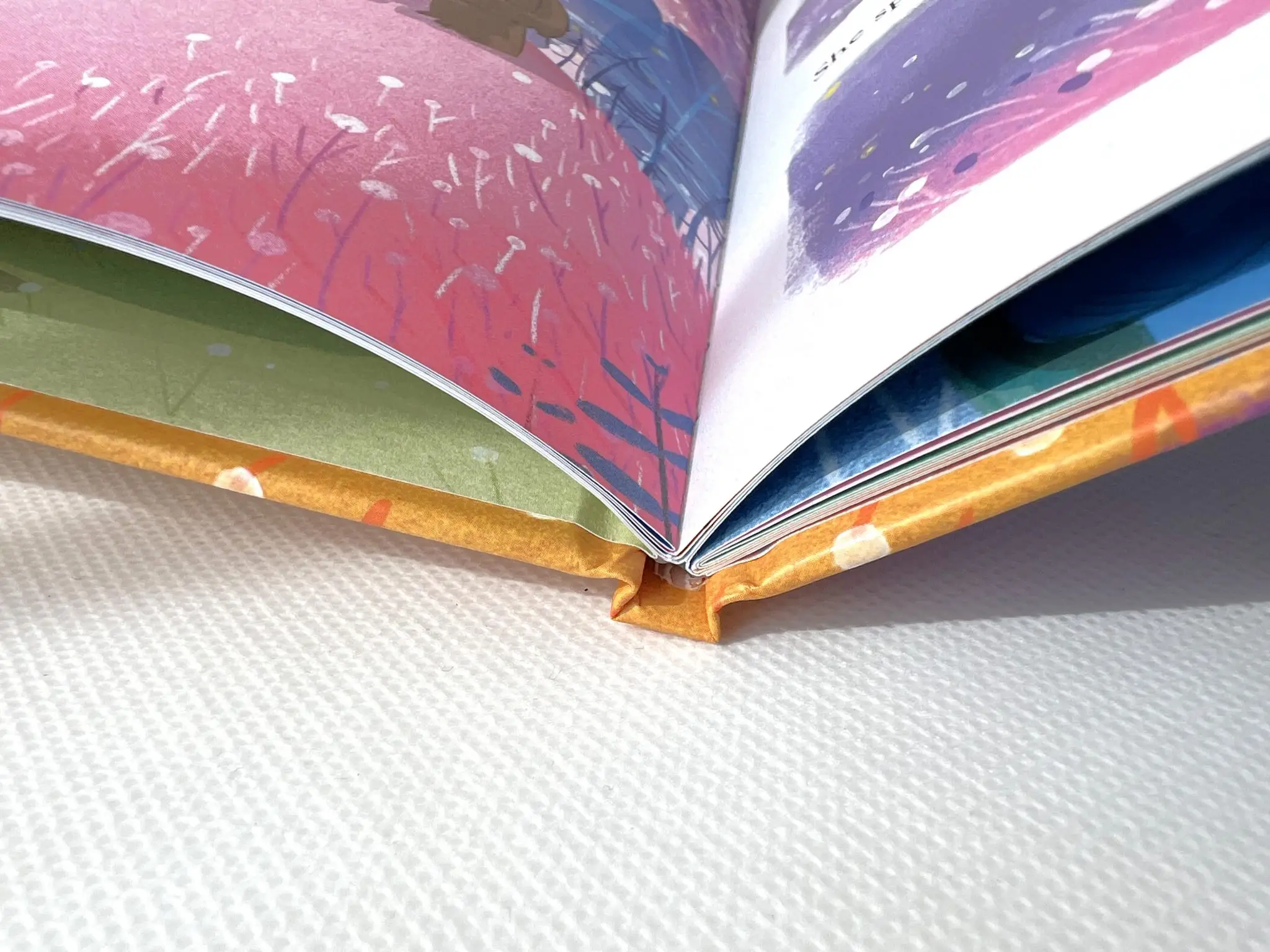
Perfect PUR Binding
Perfect Binding is the method where gathered text sections are grounded and held together with glue worked into the gaps between the different sections at the spine. Also called adhesive bind, cut-back bind, glue bind, paper bind, patent bind, perfecting bind, soft bind and soft cover. Perfect binding is commonly used for paperback books and catalogues with a higher page count. This is a cost-effective option. PUR binding is a form of perfect binding, where pages are glued together at the spine, the cover is wrapped around the pages and then trimmed to size. It uses a different type of glue creating a solid, yet flexible spine. This is slightly more expensive.
Saddle Stitch Binding
Saddle stitching is a common binding used on magazines and brochures. It involves stapling sheets together where they fold at the spine, as compared to side stitch. Also called pamphlet stitch, saddle wire and stitch bind. This is the least expensive binding option.
Saddle Sewn Binding
Saddle sewn binding, also known as Section Sewn, is a binding technique achieved by collating pages into sections and sewing them together. This technique gives a handcrafted look and can be used on hardback and softback books. Sewing can be done through the spine or on the side of the brochure.
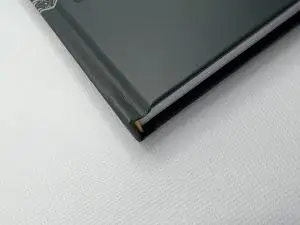
Case Binding
Case binding is the standard book binding technique used on hardback books. They are usually sewn or perfect bound first, then wrapped with a cover. Spines can be rounded or squared and coloured head and tail bands can be added. Endpapers are also used.
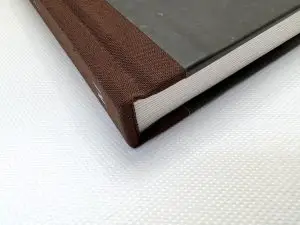
Quarter Binding
Case binding is the standard book binding technique used on hardback books. They are usually sewn or perfect bound first, then wrapped with a cover. Spines can be rounded or squared and coloured head and tail bands can be added. Endpapers are also used.
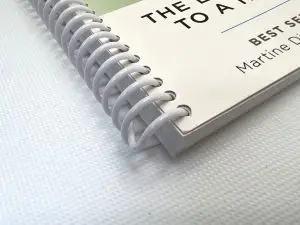
Wiro Binding
Case binding is the standard book binding technique used on hardback books. They are usually sewn or perfect bound first, then wrapped with a cover. Spines can be rounded or squared and coloured head and tail bands can be added. Endpapers are also used.
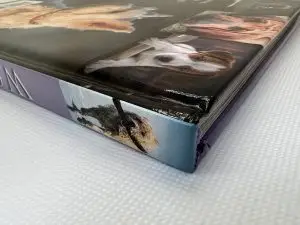
Paper Laminated Case (PLC Or PPC)
A Paper Laminated Case or Printed Paper Case is a sheet that has been printed and laminated and wrapped around the hard case of a book and glued there. This produces a high gloss finish. It can be utilised with or without a dust jacket.
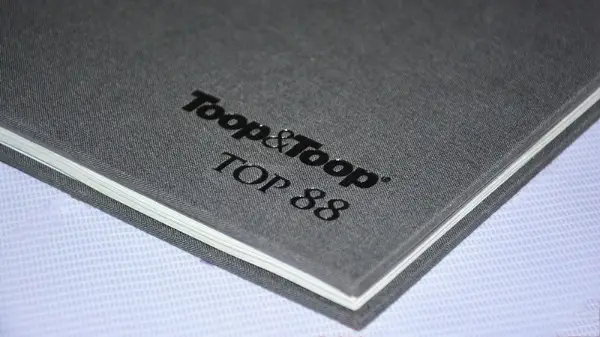
Cloth
The case of a case-bound book was typically encased in cloth. On the spine and front cover of cloth covers, foil blocking is frequently applied. Choose from a variety of foiling options to match the design of your book’s dust jacket.
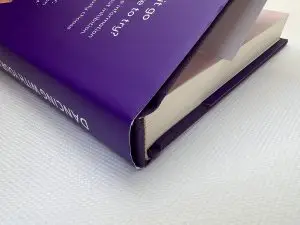
Dust Jacket
The case of a case-bound book was typically encased in cloth. On the spine and front cover of cloth covers, foil blocking is frequently applied. Choose from a variety of foiling options to match the design of your book’s dust jacket.
Foil Stamping
Foil stamping is the process of using a heated die to transfer the foil onto a printed or unprinted sheet. A great way to give your book a smart, professional finish.
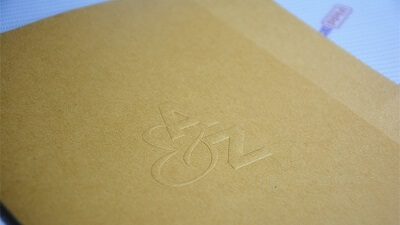
Embossing
Embossing is a printing method that creates a raised image by stamping into the paper. Especially successful on thick, uncoated papers.
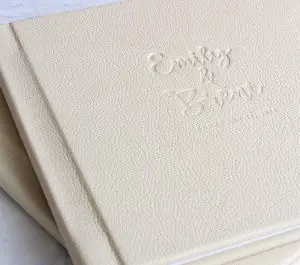
Debossing
Debossing is the opposite of embossing. It creates a lowered image on the page by stamping into the material. Especially successful on uncoated papers and leathers.
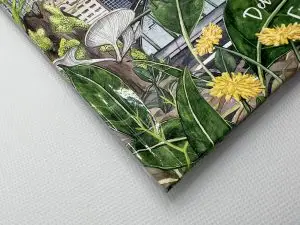
Spot UV
Spot UV is a clear varnish that can be applied in specific areas. The varnish is a liquid applied to the printing surface via a cylinder and then cured using UV light.
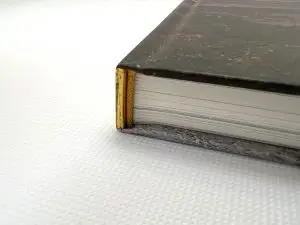
Head & Tail Bands
The band of fabric at the top and bottom of the spine of a case-bound book.
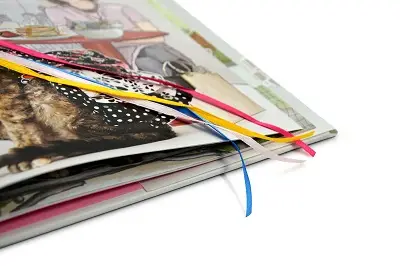
Ribbon
Ribbon is often added as a marker. Commonly used in Cookbooks, bibles and reference books.
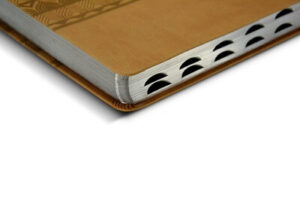
Gilt Edging
Gilt Edging refers to applying ink to the visible edge of each page. Helps to protect pages from oils and dirt from human hands
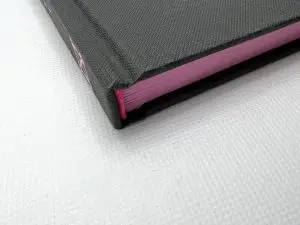
Spray Painting
Spray Painting refers to the edges of the book block being sprayed a certain colour.